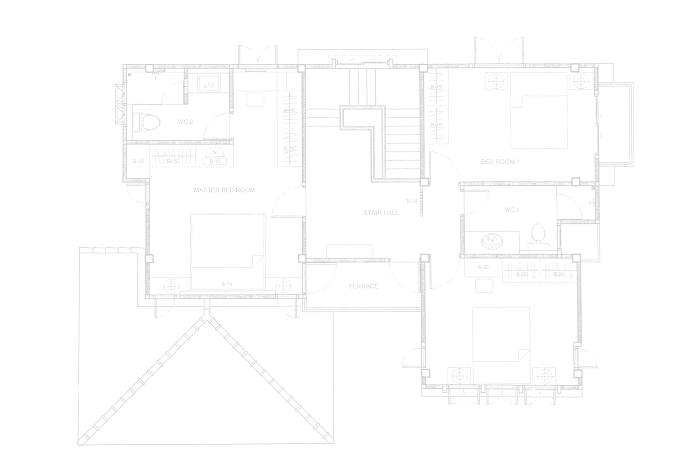
Most homes are not built to accommodate people with disabilities, making it difficult for them to navigate and perform daily tasks. But when building a new home, you have many options to make it accessible such as choosing to build a single-level home with wide doorways for wheelchairs. There are also many options to modify a current home to accommodate a disability, such as adding wheelchair ramps or stair lifts. Here’s a look at a few home features to consider whether you are building a new home or remodeling your current home for a person with a disability.
Ramps – At least one ramp will need to be installed if there is not direct ground level access. The first thing you need to do is check if any city codes exist that prohibit building ramps at the home. Some homes have only a few stairs, making it easy to install a simple ramp. Others may be longer or more steep – in this case, you’ll need a ramp that is gradual.
Stair Lifts – If the home is not single-level, stair lifts can be added to allow for easy maneuvering up and down the stairs. Stair lifts are affordable and can be installed to any staircase. If you have a larger budget, you can consider adding an elevator to the home.
Bathroom – Bathrooms can be one of the most dangerous parts of the home for anyone so it’s important to make it as safe and accessible as possible. Grab bars should be installed throughout the bathroom by the toilet and shower or bathtub. The floor should be covered with slip resistant tile or mats to prevent dangerous slips.
Kitchen – A typical countertop is 36 inches high, but for people in wheelchairs, 34 inches is the ideal comfort level. If possible, test out the range of the person who will be using the kitchen. The sink should have a spray hose the can reach about 36 inches to make for easy use. Other great additions include lazy-susans and drawers with pull out trays for accessible storage.
Doorways and Hallways – To accommodate a wheelchair, doorways should be a minimum of 32” wide. Hallways should include light switches at both ends and need to be well lit. If the doors in the home have knobs, you can change to handles to make them easier to open.
Learn more about safe and best practices when building and remodeling a home for people with disabilities here.
Whether you are building or modifying a home, Scioto Properties has experience in accessibility design and construction of a variety of different housing options for people with disabilities. From traditional to modular plans, we have several existing floor plans that can easily be modified to fit your specific needs. For more information contact us by phone at 614-889-5191, toll free: 800-930-2892, or by email: inquiry@scioto.com.